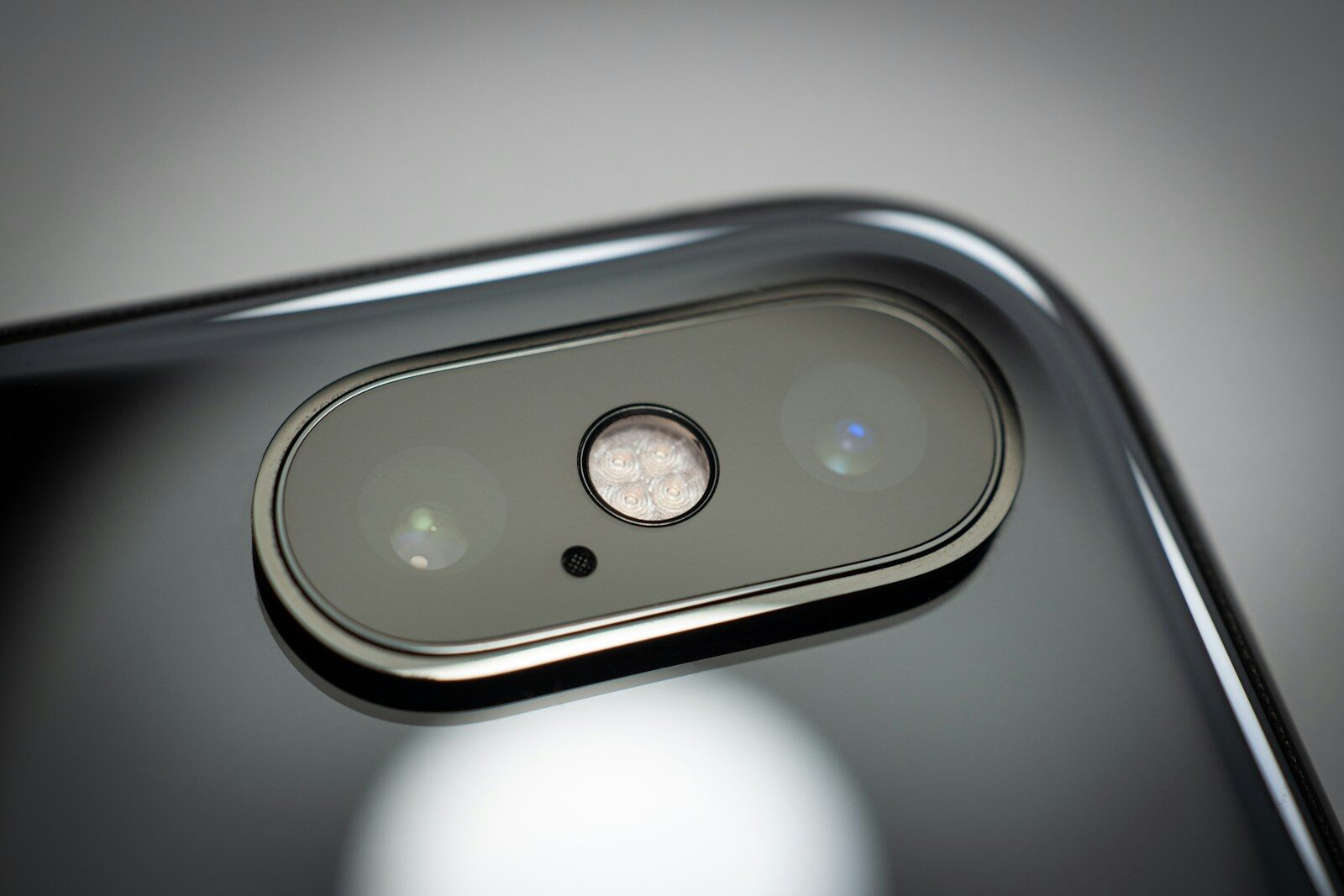
Yes, in limited circumstances. Under a six-month pilot that began on Tuesday 17 November 2026, 100 Metropolitan Police officers can photograph a person on a Met-issued phone and run the image through facial recognition software against the force’s custody image database, and they do not need that person’s agreement to do so. Officers are expected to explain why they are taking the picture, will not use force if someone covers their face, and can only use the tool in two defined situations. Refusing does not, on its own, justify an arrest.
The Met calls the system Operator Initiated Facial Recognition, or OIFR. It is different from the live facial recognition cameras Londoners may have seen mounted on vans or poles, and it raises a more personal question: what happens when an individual officer can point a phone at you?
How does the Met’s facial recognition phone app work?
An officer takes a photo on an approved Met device and submits it to the OIFR system. The software finds the face, turns its features into a numerical template and compares it with images held in the Met’s custody database, which the Evening Standard reports contains around one million pictures. The system only returns a result if a candidate passes a matching threshold that the Met says was set using independent testing; if nothing is close enough, the officer gets no result at all.
A returned result is not treated as proof of identity. The Met’s published policy calls it a “potential match”, and a trained officer has to compare it with the person in front of them and with other information before deciding whether it is a genuine match. Commander Nick John, who leads the project, told the BBC the force had a high degree of confidence in positive matches, and told the Press Association that officers had submitted 15 photos in the first 24 hours.
When can police use facial recognition on your phone photo?
The Met says the tool is not for photographing people at random, and its policy limits it to two use cases. The first covers someone an officer does not know who is believed to have committed a recordable offence, broadly any offence that could lead to a prison sentence plus some others, and who either refuses to give their details or is thought to have given false ones. Officers are also told to try other reasonable ways of identifying the person first.
The second applies after someone has been arrested or detained, when police already have legal powers to take their photograph. There, OIFR is used to confirm identity and flag risks, such as a history of carrying weapons or self-harm. The force gave the example of a woman, found walking into traffic on the first day of the pilot and unable to identify herself, whom officers were able to identify quickly and get medical help for.
Do you have to consent to a police facial recognition photo?
No, but the detail matters. For people who have not been arrested, the policy says photos are taken either with genuine, informed consent or under the common law power to photograph someone from a place where the officer is lawfully present, without compelling them. Officers should ask for consent where they practically can, and whether the person agreed should be recorded, on body-worn video where possible. If consent is refused, that does not by itself stop the officer taking the photo.
Photos must be taken openly, by an officer who is identifiable as police. The policy also states that it gives officers no power to force anyone to cooperate, and the Met has said officers will not use force if someone hides their face. A refusal to take part is not enough on its own to arrest someone, although the policy says it can be one factor an officer weighs when deciding whether the legal tests for arrest are met.
Children are partly protected. Images of anyone under 13 are outside the system’s scope. The BBC reports that people thought to be under 18 are exempt for the first four weeks of the pilot, while the Standard reports that the pilot will not be used on under-18s; either way, younger teenagers are covered by tighter rules in the policy.
What happens to your photo afterwards?
Under the Met’s policy, if a photo produces a confirmed match, the image should be deleted from the OIFR system within 31 days, subject to any disclosure duties in a criminal case. If there is no match, the photo can stay in an “unsolved crime cache” for periodic reviews of between three and nine months depending on the seriousness of the offence, and should be deleted within 31 days once no further searching is needed. Custody images can only be searched if they are recent enough, with time limits that depend on age and offence category (for adults, up to six years from capture in some categories). Pilot data used for evaluation will be kept for at most 30 days after the trial ends, and the Met says the results will be published.
Why are privacy groups worried?
Civil liberties organisations argue the pilot puts powerful surveillance in officers’ pockets with less oversight than fixed deployments. Liberty’s director, Akiko Hart, told the BBC that the approach combines the problems of stop and search with those of facial recognition. StopWatch UK said it had seen no evidence that enough had been done to address racial bias in facial recognition. The Met says it will monitor accuracy, usage and any sign of disproportionality throughout the pilot, and its policy requires officers to record when they think a subject is a child or has a disability that might affect the system’s performance.
The pilot also lands while the law is in flux. On 4 November the Home Office announced plans for a dedicated legal framework for police facial recognition, including a new independent watchdog that could ultimately seek court injunctions against forces that break the rules, a statutory code of practice, and a requirement that technology is independently tested for bias. Those rules are not yet in force, so for now the Met is relying on existing powers and its own published policy. The BBC reports that the Met also plans to expand static live facial recognition cameras in the West End next month.
For tech watchers, OIFR is a notable shift: facial recognition moving from planned, signposted deployments to an on-demand app in individual officers’ hands. Whether it becomes a standard tool across the Met, or elsewhere in the UK, will depend on what the six-month review shows and on how Parliament writes the new rules.
Sources
- Metropolitan Police: Met launches new technology to speed up identity checks
- Metropolitan Police: Operator Initiated Facial Recognition policy (PDF)
- BBC News: Met Police trial facial recognition tech on phones
- The Standard: Met Police pilots facial recognition technology on phones to identify suspects
- Home Office: Stronger laws for police using facial recognition technology
- Metropolitan Police: Facial recognition technology overview