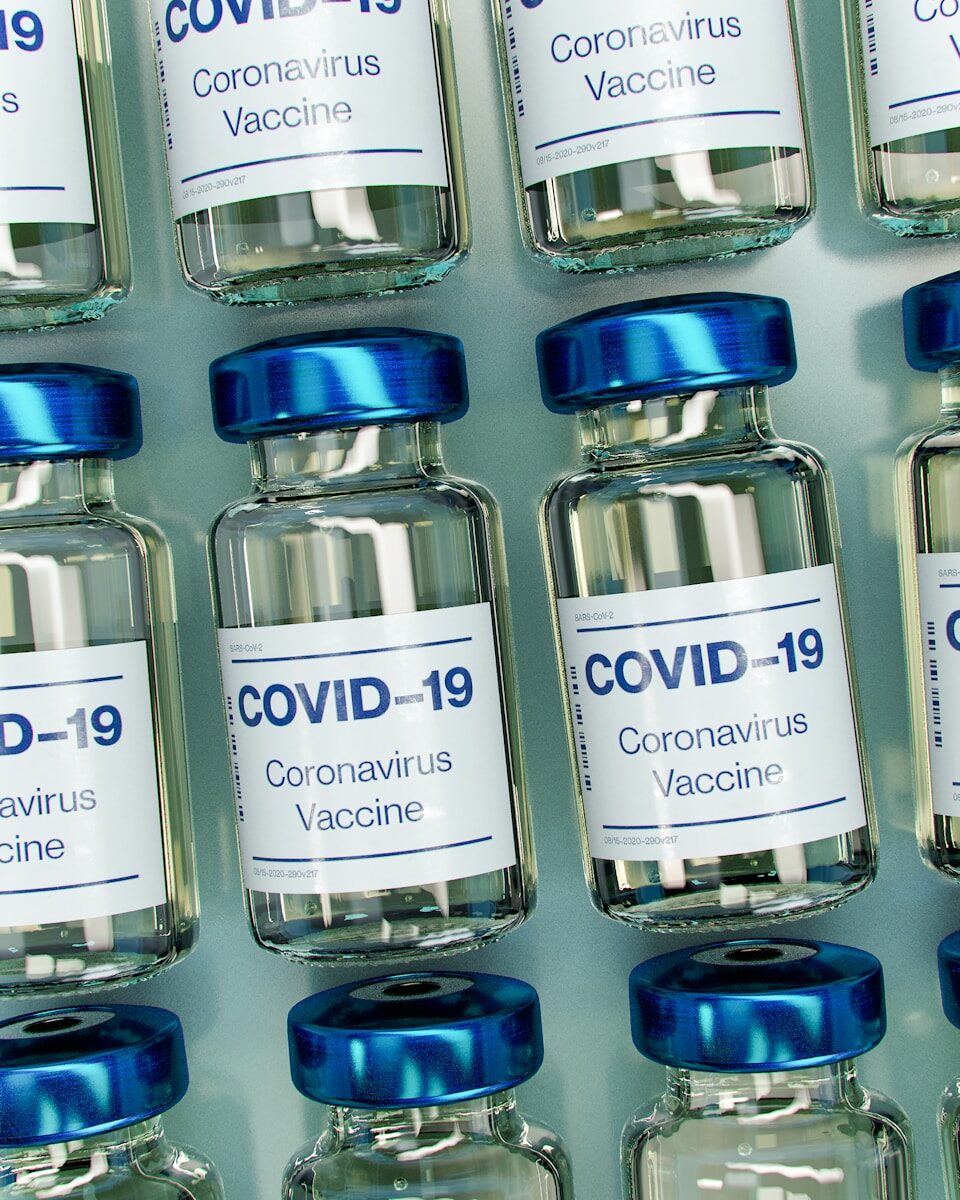
A case published in The Lancet Infectious Diseases in March 2024 has given immunologists an unexpected window into the upper limits of vaccine-driven immune stimulation. A 62-year-old man from Magdeburg, Germany, deliberately and for private reasons received 217 vaccinations against SARS-CoV-2 within a period of 29 months, outside of any clinical study context and against national vaccination recommendations. His immune system, against reasonable scientific expectation, remained fully functional throughout.
The case came to the attention of researchers not through any formal reporting mechanism, but through the press. Privatdozent Dr. Kilian Schober, from the Institute of Microbiology at Friedrich-Alexander-Universität Erlangen-Nürnberg (FAU), read about the case in newspaper articles and contacted the man, inviting him to undergo a series of tests in Erlangen. The man agreed. The resulting analysis, conducted in collaboration with researchers from Munich and Vienna, was published under the title "Adaptive immune responses are larger and functionally preserved in a hypervaccinated individual."
Of the 217 doses the man said he received over 29 months, 134 have been officially confirmed. He was vaccinated with a total of eight different vaccine formulations, including multiple available mRNA vaccines. The doses spanned June 2021 to November 2023. A public prosecutor in Magdeburg opened an investigation into the case alleging fraud; it was suspected he had been obtaining vaccination cards and selling them to third parties during a period when proof of vaccination was required to access public venues across Europe. No criminal charges were ultimately filed.
The central immunological concern prior to analysis was the possibility of immune tolerance; a state in which persistent antigen exposure causes the immune response to degrade. In chronic infections such as HIV and Hepatitis B, which involve repeated antigen exposure, there is evidence that T-cells can become fatigued, releasing fewer pro-inflammatory messenger substances and reducing the body's ability to combat the pathogen effectively. Schober's team entered the study genuinely uncertain whether hypervaccination of this magnitude would produce a similar suppressive effect or, conversely, produce meaningful immune enhancement.
The data supported neither extreme outcome. The man's immune system proved fully functional, with certain immune cells and antibodies against SARS-CoV-2 present in considerably higher concentrations than is the case with individuals who received only three vaccinations. Further tests indicated that there was no change to the immune system's effectiveness against other pathogens; the hypervaccination does not appear to have damaged the immune system as such. Throughout the entire vaccination schedule, he reported no vaccination-related side effects.
Even during the study's analysis phase, the man requested and received two additional COVID-19 doses, against the explicit advice of the research team. The researchers drew blood samples at multiple points, some from previously frozen samples collected during his vaccination history, others obtained directly during the study period.
The findings carry an important caveat. The study authors explicitly stated that they do not endorse hypervaccination as a strategy to enhance adaptive immunity. The results of a single individual case are not sufficient for far-reaching conclusions or recommendations for the general public. Current evidence supports a three-dose vaccination protocol, coupled with regular booster doses for vulnerable groups; there is no indication that additional doses are required.
The scientific value lies not in any practical recommendation but in what the case reveals about the immune system's tolerance for repeated antigen stimulation. The data point to a degree of robustness in the adaptive immune response that the prior theoretical framework did not clearly predict, and they add a data point to an area of immunology; the consequences of sustained prime-boost cycling in humans; that remains, as the Lancet paper itself notes, poorly understood.
Prime-boost vaccinations can enhance immune responses, whereas chronic antigen exposure can cause immune tolerance; in humans, the benefits, limitations, and risks of repetitive vaccination remain poorly understood. The Magdeburg case does not resolve that question, but it does constrain the possibility space.
Sources
Kocher K, Moosmann C, Drost F, et al. Adaptive immune responses are larger and functionally preserved in a hypervaccinated individual. Lancet Infectious Diseases . 2024. DOI: 10.1016/S1473-3099(24)00134-8
Friedrich-Alexander-Universität Erlangen-Nürnberg. Researchers investigate immune response of a man who received 217 Covid vaccinations . FAU Press Release, March 2024. https://www.fau.eu/2024/03/news/research/researchers-investigate-immune-response-of-a-man-who-received-217-covid-vaccinations/
CIDRAP. Case report: 217 COVID vaccine doses haven't harmed man's immune system . March 2024. https://www.cidrap.umn.edu/covid-19/case-report-217-covid-vaccine-doses-havent-harmed-mans-immune-system
Technology Networks. German Man Who Received 217 COVID Vaccines Has Functioning Immune System . March 2024. https://www.technologynetworks.com/immunology/news/german-man-who-received-217-covid-vaccines-has-functioning-immune-system-384483